



If you’ve been dealing with stubborn muscle pain and someone’s mentioned dry needling, you’re probably wondering if it’s worth it or whether it’s just another thing that sounds better than it is. Fair question. Here’s an honest look at the dry needling pros and cons so you can walk into that decision with your eyes open.
What Is Dry Needling, and Why Is Everyone Talking About It?
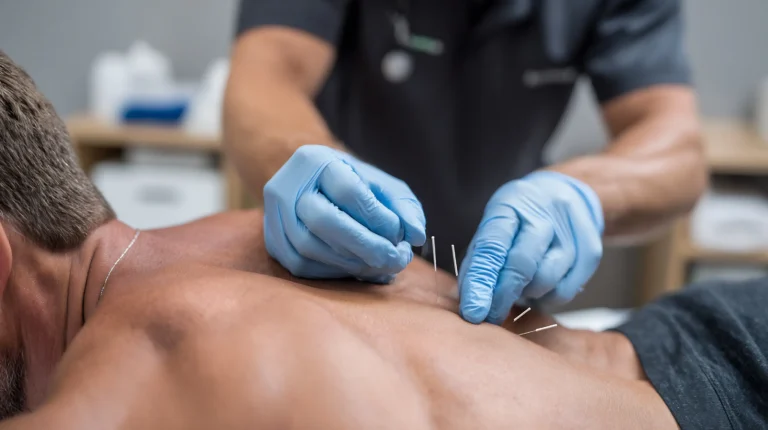
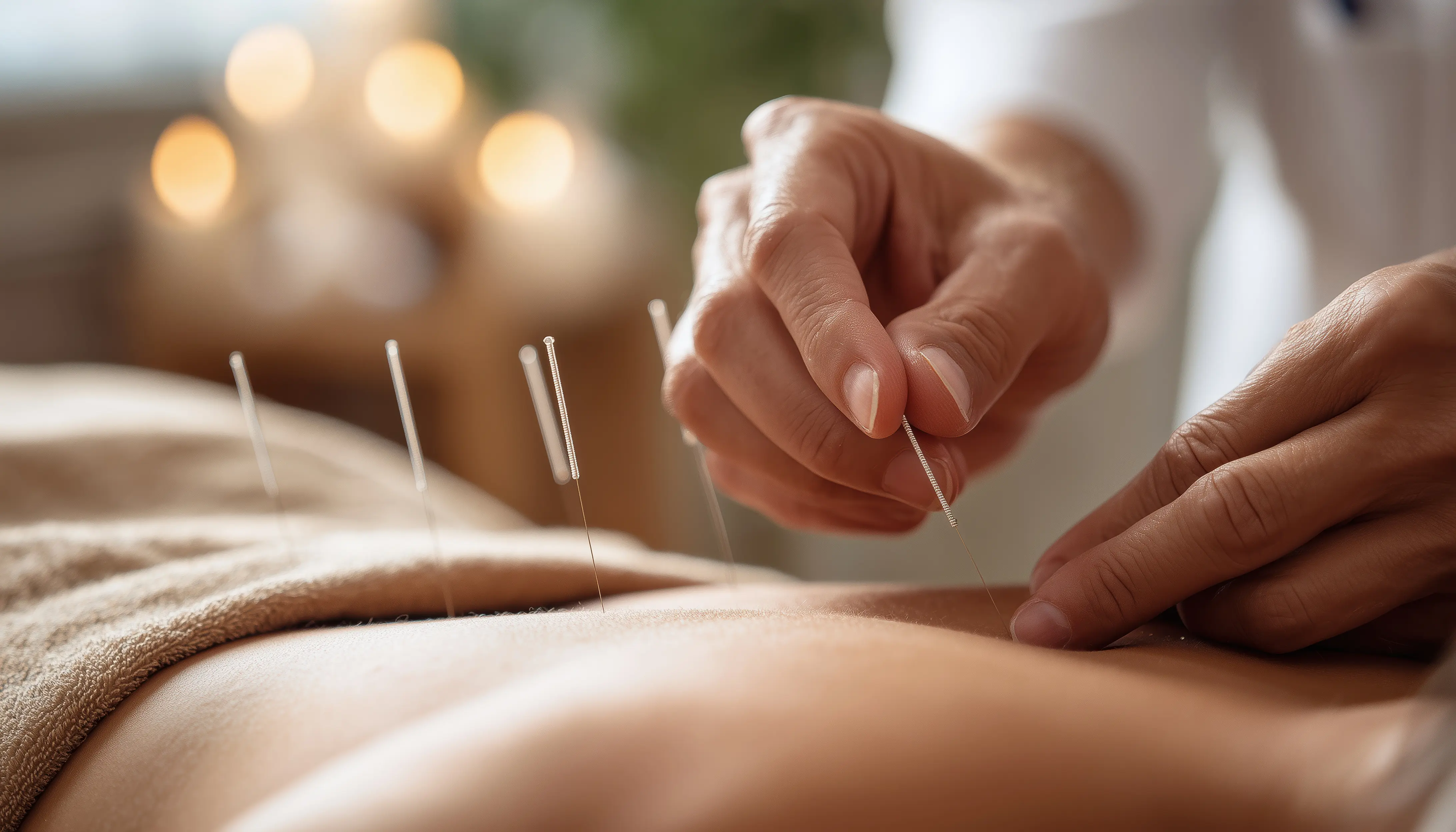
Dry needling therapy works by inserting thin, sterile needles directly into myofascial trigger points, which are those knotted, hyperactive spots in your muscle tissue that are often the source of localized and referred pain. The needle disrupts the trigger point, which prompts the muscle to release, increases blood flow to the area, and kicks off the body’s natural tissue repair process, including endorphin release.
One thing people are caught off guard by is the local twitch response, a quick, involuntary muscle twitch when the needle hits the trigger point. That’s actually a good sign. It means the right spot has been found and the muscle is responding.
A lot of people confuse dry needling with acupuncture, but they come from completely different frameworks. Acupuncture is rooted in traditional Chinese medicine and works along energy pathways. Unlike acupuncture, dry needling is grounded in Western medicine and focuses specifically on musculoskeletal pain and how the body moves.
What Are the Benefits of Dry Needling?
The biggest draw is precision. Dry needling treatment targets the specific trigger points and tight muscle bands causing your problem, not just the general area. That’s a more targeted approach than broad surface work.
From there, the cascade of dry needling benefits is pretty compelling. The needle promotes muscle relaxation and supports tissue healing in the treated area, which means your body is doing real repair work, not just feeling temporarily better. For people dealing with chronic pain in the back, neck pain, or shoulder pain, or bouncing back from sports injuries or plantar fasciitis, that kind of targeted reset can make a significant difference.
It’s also a completely drug-free path to pain relief, so there are no prescriptions or dependency concerns, just your body’s own healing mechanisms doing their job. And when dry needling is integrated into a broader treatment plan alongside manual therapy and progressive strengthening, it consistently helps patients move better and get back to doing what they love faster.
How Quickly Can You Expect to Feel Results?
Many patients notice meaningful improvement in pain and mobility within a day or two after a dry needling session. Some feel it after just one treatment. That said, how quickly you respond depends on your specific condition, how long it’s been going on, and your overall health history. Dry needling works best as part of a personalized plan, not a one-and-done fix.
What Are the Cons of Dry Needling?
Let’s be straight: there are real trade-offs worth knowing.
The most common one is temporary soreness or muscle aching in the 24–48 hours after treatment. This is a normal response and fades on its own, but it’s worth planning around if you have something physical on the calendar the next day.
During the dry needling procedure itself, you may feel mild discomfort, especially when the needle contacts a taut trigger point or elicits that twitch response. It’s not pain in the traditional sense, but it isn’t nothing either.
Minor bruising or light bleeding at the insertion site can happen, particularly in areas closer to sensitive nerves or connective tissues. Not common, but not rare either.
And here’s the honest one: dry needling alone won’t fix faulty movement patterns or underlying muscle imbalances. Skip the rehab work that should accompany it, and the relief tends to be temporary.
One more practical note: insurance typically doesn’t cover dry needling. At Bull City PT, it’s offered at $15 as an add-on to your skilled treatment session, or as a standalone at $99 for an initial visit and $50 for follow-ups.
Who Should Avoid Dry Needling?
Dry needling isn’t a fit for everyone. It’s contraindicated for people with bleeding disorders, compromised immune systems, or during pregnancy. If you’re unsure whether your history is a factor, a licensed physical therapist will work through that with you before recommending anything.
Is Dry Needling Right for You?
If you’re an active adult dealing with tight muscles, persistent muscle pain, or a recurring injury that hasn’t fully responded to other treatments, dry needling is worth a serious look. If you have a strong aversion to needles or haven’t had a full PT evaluation yet, that’s a reasonable place to start instead.
Either way, you don’t need a referral. Bull City PT offers Direct Access, which means you can skip the doctor’s office and come straight to us for an evaluation.
How Bull City PT Integrates Dry Needling Into Your Recovery
At Bull City PT, dry needling is one tool in a personalized recovery plan, not the whole plan. Every patient has a specific goal they’re working toward, whether that’s getting back on the trail, back under the barbell, or back on the field. Dry needling gets used strategically, at the right point in your recovery, to accelerate progress where other approaches haven’t been enough.
We work with patients at our Durham, Charlotte, and Brier Creek locations (Brier Creek also serves Cary). Ready to find out if dry needling is the right next step for you? Schedule an appointment at the location nearest you.