



If you’ve been grinding through a nagging injury or dealing with stiffness that just won’t quit, you’ve probably wondered if there’s something more targeted out there than standard stretching and generic exercises. Instrument assisted soft tissue mobilization (IASTM) is a hands-on treatment technique that uses specially designed tools to break through the stuff that’s keeping you from running your next race, getting back under the barbell, or just moving without thinking about it. Let’s break down what these tools actually are, what they do to your body, and whether IASTM treatment is worth your time.
What Are IASTM Tools, Exactly?
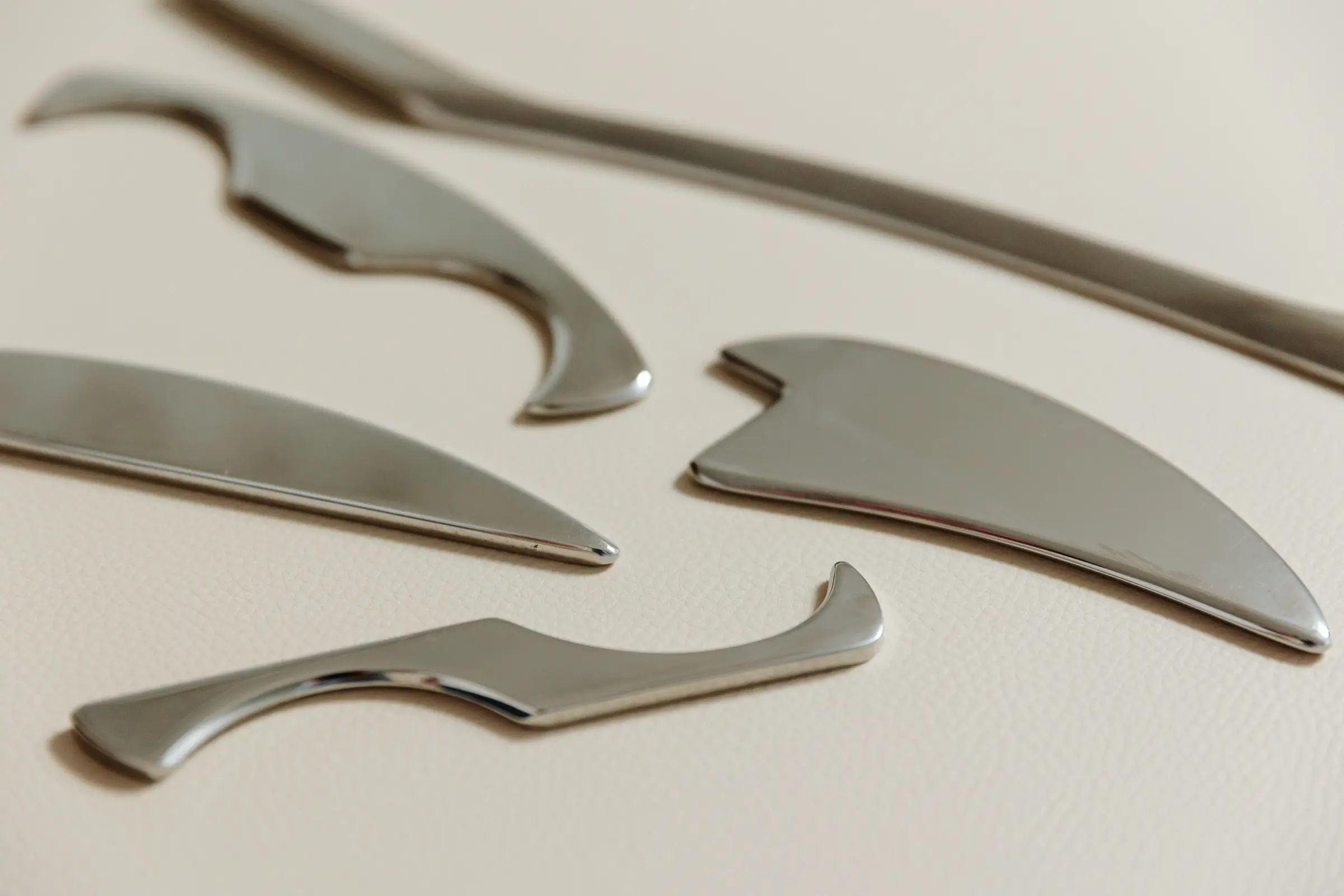
IASTM tools are handheld instruments that a physical therapist uses to apply controlled pressure and movement across the skin and the underlying soft tissue. The main goal is to detect and treat areas where tissue has tightened, thickened, or formed restrictions that limit normal function and cause pain.
A complete guide to cupping therapy for physical therapy would reveal a comparable philosophy — using external mechanical stimulation to restore tissue mobility — making the two techniques natural companions in a soft tissue treatment plan.
What Are IASTM Tools Made of, and How Are They Designed?
Most IASTM tools are crafted from stainless steel or high-density plastic, shaped with curved edges and varying contours that conform to different parts of the body. The design is intentional — different shapes allow your therapist to reach the IT band, the bottom of the foot, the Achilles, or the muscles around your shoulder with the right precision and leverage. Think of them less like a massage tool and more like a diagnostic and treatment instrument built for deeper tissue penetration than hands alone can achieve.
How Do IASTM Tools Work on Soft Tissue?
Soft tissue mobilization works by applying targeted pressure to the affected area to stimulate blood flow and trigger your body’s natural healing process. When your therapist glides an IASTM tool across the affected tissues, the controlled friction creates a mild inflammatory response — which sounds counterintuitive, but it signals your body to send fresh healing resources to the site. That increase in blood flow is what helps break down restrictions and kick off real tissue repair.
Why Do Scar Tissue and Adhesions Cause So Much Pain?
Here’s where it gets interesting. When you injure soft tissue, whether from a single event or years of repetitive strain, your body lays down scar tissue as a repair mechanism. The problem is that scar tissue isn’t as organized or flexible as healthy tissue. It creates adhesions, areas where tissue layers that should glide independently get stuck together. Those adhesions restrict movement, alter how your muscles load and fire, and refer pain to areas that seem completely unrelated to the original injury. Assisted soft tissue mobilization helps loosen those restrictions and restore the tissue quality that actually lets you move the way you want to.
What Conditions Can IASTM Help Treat?
IASTM therapy is effective across a wide range of soft tissue injuries and musculoskeletal complaints. The following conditions respond particularly well: plantar fasciitis, plantar fasciitis scar tissue, Achilles tendinitis, tendonitis in other areas, delayed onset muscle soreness, chronic pain syndromes, post-surgery recovery, and general muscle tension and stiffness limiting your performance or daily life. It’s also a go-to in sports rehabilitation for athletes who need to recover fast and get back to training.
Can IASTM Help With Chronic Pain or Old Injuries?
Absolutely, and this is one of the places it genuinely shines. Chronic pain often lingers because of long-standing trigger points and tissue restrictions that are never fully resolved. Plantar fasciitis scar tissue, old ankle sprains, and compensation patterns that developed after surgery are issues that IASTM works on well. The deeper tissue penetration of instrument assisted soft tissue techniques reaches areas that standard manual therapy sometimes can’t.
What Should You Expect During an IASTM Session?
Your therapist will apply pressure with the instrument over a lubricating medium, working methodically across the affected area. Sessions are focused on specific sites tied to your treatment plan, not a full-body sweep. The sensation is firm and targeted: it’s purposeful work, not a relaxing spa day, but nothing you can’t handle, either.
Is IASTM Painful — and Are There Any Side Effects?
Some tenderness during and after treatment is normal, especially in areas with significant adhesions or scar tissue. Mild redness can appear at the treatment site. That’s just your body responding, not a sign that anything went wrong. Most people feel noticeably looser after a session, even with some initial soreness. This isn’t random instrument assisted massage; it’s targeted therapeutic work that fits inside a broader care plan built around where you want to be.
Is IASTM the Right Treatment for You?
If you’ve done the standard PT route and felt like something was missing, or if soft tissue injuries aren’t responding to stretching and exercise alone, IASTM therapy is worth a serious look. The best outcomes happen when it’s part of a personalized treatment plan, integrated with manual therapy and movement work, not used as a standalone fix.
At Bull City PT, we don’t run cookie-cutter protocols. Our physical therapists figure out what’s actually holding you back from your thing — your run, your lift, your weekend hike — and build a plan around that. We’ve been recognized as a Best of the Triangle winner for a reason: outcomes matter here.
Our Durham, Charlotte, and Brier Creek locations (Brier Creek also serves Cary-area patients) offer instrument assisted soft tissue mobilization as part of a complete, individualized approach to getting you back to what you love. And because we offer Direct Access, you don’t need a referral or prescription. Just schedule a session, and get started!