



That nagging shoulder pain that’s keeping you off the court, out of the gym, or stopping you from throwing a baseball with your kid? There’s a good chance your rotator cuff is the culprit. The good news is that rotator cuff injury physical therapy can often get you back to doing what you love without going under the knife.
Whether you’re dealing with a partial tear from years of overhead sports or acute pain from a weightlifting injury, understanding your treatment options makes all the difference. Let’s explore how physical therapy for shoulder pain works, what the recovery process looks like, and how to find the right clinic to help you return to your active lifestyle.
What Is a Rotator Cuff Injury?
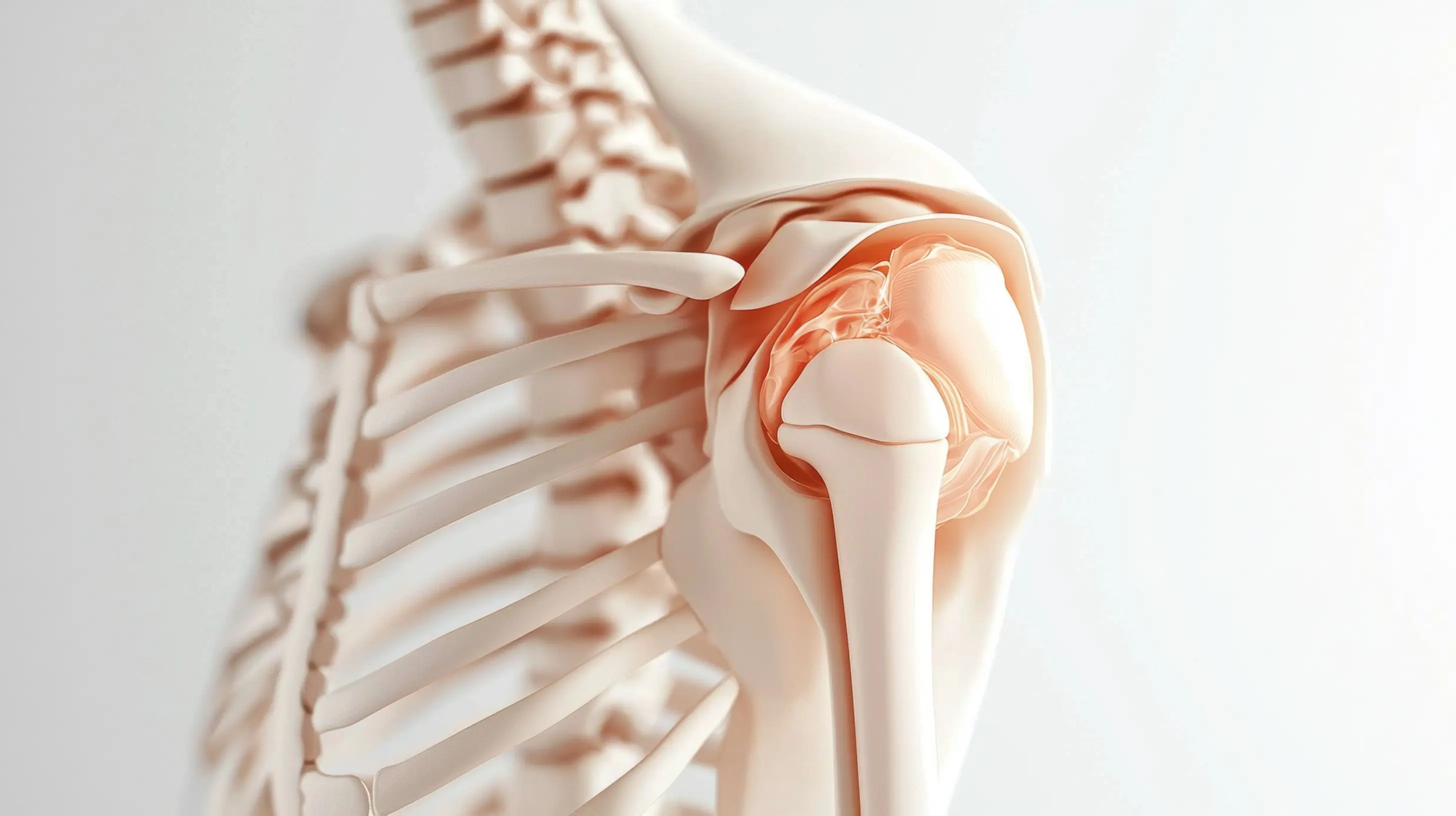
Your rotator cuff is a group of four muscles and tendons that stabilize your shoulder joint and allow you to lift and rotate your arm. A rotator cuff injury can range from inflammation and tendinitis to partial or complete tears in one or more of these tendons. These injuries create pain, weakness, and a limited range of motion that can sideline you from the activities that matter most.
Most people notice rotator cuff problems when reaching overhead becomes painful, lifting weights feels impossible, or they can’t sleep on the affected shoulder. The pain might start as a dull ache and progress to sharp, stabbing sensations during specific movements. Some people hear clicking or popping sounds when they move their arm.
How Do Rotator Cuff Injuries Happen in Active Adults?
For motivated, active adults, rotator cuff injuries typically develop in two ways. The first is acute trauma—you fall on an outstretched arm during a mountain biking crash, take a hit during a pickup basketball game, or push too hard on a heavy bench press. These sudden events can cause partial or complete tears that create immediate pain and weakness.
The second and more common cause is repetitive overhead motion. If you’re a CrossFit enthusiast doing frequent overhead presses, a recreational tennis player, or someone whose job involves repeated reaching, you’re gradually wearing down the rotator cuff tendons. Over time, this repetitive stress creates small tears and inflammation that compound into a significant injury. Many active adults in their late twenties through forties experience this degenerative process because they’re still training hard, but their tendons aren’t recovering as quickly as they did in their early twenties. To read more about what can cause shoulder pain, read our blog.
Can Physical Therapy Help a Rotator Cuff Injury?
Absolutely. Research shows that conservative treatment with physical therapy successfully treats 70-90% of rotator cuff injuries without requiring surgery. Rotator cuff injury physical therapy works by reducing inflammation, restoring a range of motion, and strengthening the muscles around your shoulder to compensate for any damage and prevent future injuries.
The key is addressing the injury properly from the start. Many active adults make the mistake of either pushing through the pain or resting too long without proper rehabilitation. Both approaches lead to chronic weakness and recurring problems. Strategic rotator cuff rehabilitation targets the specific muscles that need strengthening while protecting damaged tissues as they heal.
Physical therapy also addresses the movement patterns that likely contributed to your injury. Your PT will evaluate how your shoulder blade moves, assess your posture, and identify compensations that are creating excess stress on your rotator cuff. Fixing these underlying issues is what separates a temporary fix from a long-term solution.
When Is Surgery Necessary vs. When Can Physical Therapy Work?
This is the question everyone with a rotator cuff injury wants answered immediately. Non-operative rotator cuff treatment through physical therapy is the first-line approach for most injuries. Even with complete tears, studies show that properly designed exercise programs can produce excellent outcomes for many patients, particularly those over 60 or with smaller tears.
Surgery becomes necessary when you have a large, acute tear from trauma, when conservative treatment fails after 3-6 months, or when you’re experiencing progressive weakness despite therapy. Young, active adults with full-thickness tears who need overhead shoulder function for sports or work may also benefit from earlier surgical intervention. However, even if you ultimately need surgery, completing a course of physical therapy first improves your surgical outcomes and speeds post-operative recovery.
The reality is that many people achieve their functional goals through rotator cuff tear physical therapy alone. If you can return to lifting, running, or playing sports without pain, the fact that an MRI still shows a small tear doesn’t matter. Surgery isn’t about what the imaging shows—it’s about whether you can do what you want to do without limitations.
What Does Rotator Cuff Physical Therapy Include?
Effective shoulder physical therapy for rotator cuff injuries follows a structured progression that adapts to your healing timeline and functional goals. Your first sessions focus on pain management and restoring a range of motion. Your therapist will use hands-on techniques to improve shoulder mobility while teaching you how to move without aggravating the injury. You’ll also learn proper sleeping positions and daily modifications to protect your shoulder during the early healing phase.
As pain decreases and movement improves, treatment shifts to strengthening. You’ll start with gentle isometric exercises that engage muscles without moving the joint, then progress to resistance band work and light weights. Rotator cuff exercises target not just the damaged muscles but also the scapular stabilizers and core muscles that support healthy shoulder mechanics. Your PT will design a progression that challenges you appropriately without causing flare-ups.
The final phase prepares you to return to your specific activities. If you’re a weightlifter, you’ll practice modified bench press and overhead movements with proper form. If you’re a runner, you’ll work on upper body positioning and arm swing mechanics. This sport-specific training ensures you’re not just pain-free at the clinic but also confident and strong when you return to real-world demands.
What Techniques Do Physical Therapists Use for Rotator Cuff Injuries?
Advanced manual therapy for shoulder injuries includes joint mobilizations that improve shoulder blade movement and restore proper mechanics at the shoulder joint itself. Your therapist’s hands-on work breaks up scar tissue, releases tight muscles, and helps you access ranges of motion you couldn’t reach on your own. This skilled approach accelerates healing and makes your exercise program more effective.
Many clinics also use dry needling for rotator cuff injuries. This technique involves inserting thin needles into trigger points within the rotator cuff muscles and surrounding tissues. It reduces muscle tension, improves blood flow, and decreases pain—giving you better access to the movements needed for rehabilitation. When combined with targeted rotator cuff strengthening exercises, dry needling can significantly speed up your recovery timeline.
Your therapist will also use therapeutic taping, which provides external support to your shoulder and improves body awareness during movement. The right PT clinic employs evidence-based techniques tailored to your specific injury pattern rather than using a generic protocol for every shoulder problem.
How Long Does Recovery From a Rotator Cuff Injury Take?
The rotator cuff recovery time depends on injury severity, your age, and how aggressively you pursue treatment. Mild strains or tendinitis may resolve in 4-6 weeks with consistent therapy. Partial tears usually require 3-4 months of rehabilitation to restore full function. Complete tears treated conservatively often need 4-6 months before you’re back to unrestricted activity.
Here’s what impacts your timeline: starting therapy early, following your home exercise program consistently, and working with therapists who push you appropriately. Active adults who treat their rehab like training—showing up ready to work and doing their homework between sessions—recover faster than those who approach PT passively. Your body’s healing schedule sets the minimum timeline, but your effort determines whether you hit that minimum or drag it out twice as long.
The goal isn’t just getting back to activity—it’s returning stronger and more resilient than before the injury. Rushing back too quickly often means re-injury and starting over. Trust the process, and you’ll be back to what you love doing sooner than if you try to shortcut recovery.
What Are the Phases of Rotator Cuff Rehabilitation?
Rotator cuff rehabilitation follows a clear three-phase progression. Phase one focuses on pain management and passive range of motion. You’ll work on reducing inflammation while your therapist gently moves your shoulder through available ranges. This phase lasts 2-4 weeks for minor injuries and up to 6 weeks for more severe tears. You’re not strengthening yet—you’re creating the foundation for healing.
Phase two introduces active motion and early strengthening. You’ll begin moving your shoulder independently and start resistance exercises targeting the rotator cuff and scapular muscles. This phase builds strength and endurance while maintaining the range of motion gained in phase one. It typically lasts 4-8 weeks, depending on your injury severity and how your body responds to progressive loading.
Phase three is return to activity training. You’ll advance to sport-specific movements, heavier resistance, and exercises that replicate the demands of your goals. A weightlifter might be doing modified Olympic lifts, while a runner focuses on upper body mechanics during high-intensity intervals. This final phase ensures you’re not just recovered but prepared to handle the stresses that will be placed on your shoulders when you return to full activity.
Why Choose Bull City PT for Your Rotator Cuff Injury?
Bull City PT isn’t your standard physical therapy clinic with cookie-cutter treatment plans. They specialize in motivated, active adults who are serious about getting back to peak performance—people who’ve often tried PT before and felt it wasn’t aggressive enough or didn’t deliver results. With locations in Durham, Brier Creek, and Charlotte, the team includes Board Certified specialists and fellowship-trained therapists who combine evidence-based treatment with cutting-edge techniques like dry needling, manual therapy, and individualized exercise programs.
North Carolina’s Direct Access laws mean you can start treatment immediately without a physician referral, getting you on the path to recovery faster. They’re part of the local community—real people who like to have fun (they even have a beer collaboration called “Aches and Alements”). But when it comes to your recovery, they bring the expertise and intensity needed to get you back to your “something.”
How Is Bull City PT Different From Other Physical Therapy Clinics?
The difference shows up in faster treatment times, better diagnosis, and superior outcomes. While many clinics use generic protocols, Bull City PT designs every treatment plan around your specific injury, movement patterns, and functional goals. They excel with patients who’ve tried PT before but weren’t pushed hard enough—active adults who need a therapist who understands the demands of serious training and competition.
You’re not just getting standard exercises from a recent grad. You’re working with specialists who stay current on the latest research and techniques. They’ll use advanced manual therapy to restore mobility, implement dry needling when appropriate, and create progressions that challenge you without causing setbacks. Most importantly, they understand that you’re not coming to PT just to address pain—you’re coming because shoulder dysfunction is keeping you from something you love. That’s the “something” they’re committed to helping you get back to.
Ready to get back to what you love doing? Schedule a consultation with Bull City PT to develop your personalized rotator cuff injury treatment plan and start your recovery with experts who understand what it takes to return to peak performance. Contact us today!