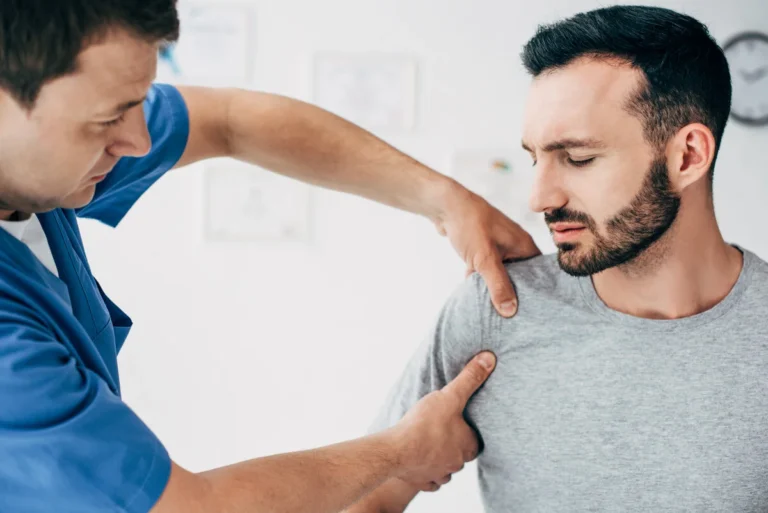




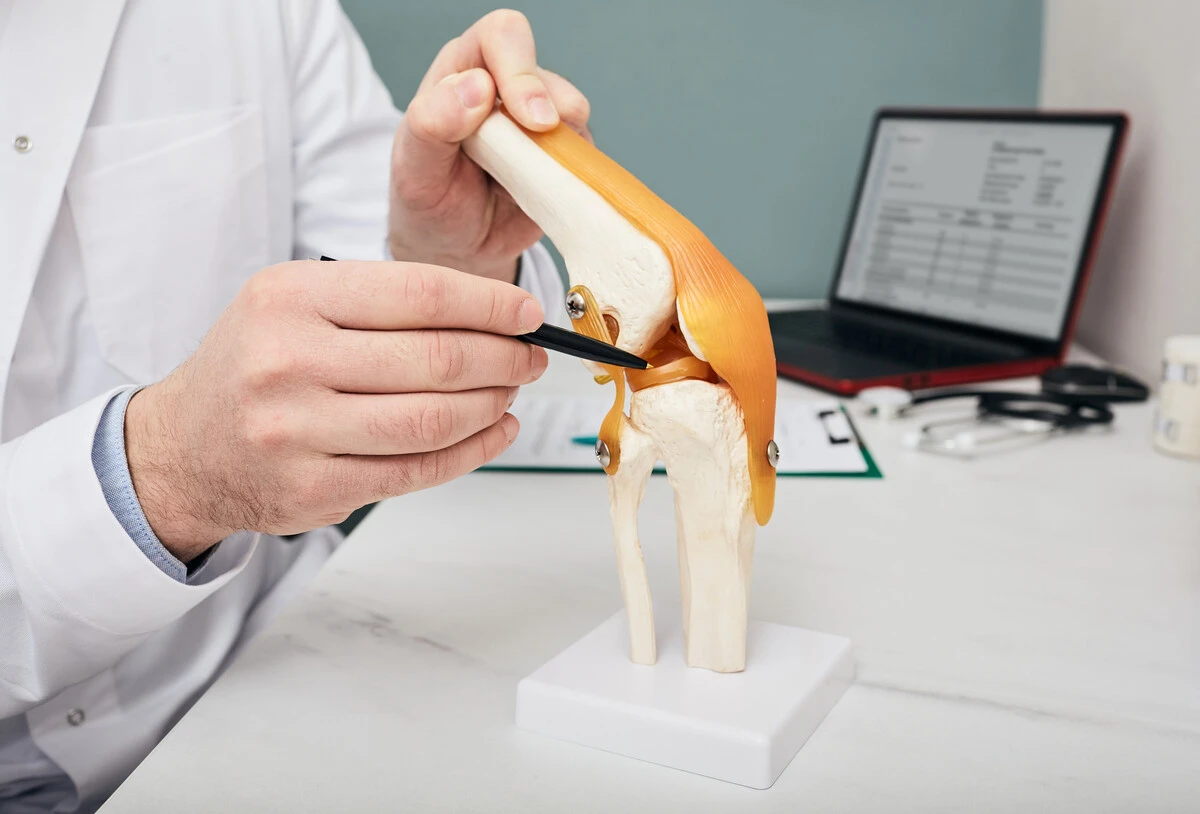
You just had meniscus surgery, and now you’re wondering what comes next. The truth is, meniscus surgery is only half the battle. What you do afterward determines whether you get back to running that 5K, lifting at the gym, or keeping up with your kids without that nagging knee pain. That’s where post-surgical rehabilitation makes all the difference.
When Should You Start Physical Therapy After Meniscus Surgery?
You’ll start physical therapy after meniscus surgery within the first few days after your procedure. This early start restores range of motion, minimizes knee swelling, and begins rebuilding strength.
The timeline depends on your surgery type. If you had a partial meniscectomy (where damaged tissue is removed), you might bear weight immediately and progress quickly. With meniscus repair physical therapy, you’ll follow a more cautious approach because your body needs time to heal the repaired tissue.
Can a Meniscus Tear Heal With Physical Therapy?
For degenerative tears, research shows physical therapy produces similar outcomes to surgery. That’s why many people start with conservative treatment before considering surgical options.
However, if you’ve already had surgery, physical therapy is how you complete the healing process. Your torn meniscus has been repaired or trimmed, but the surrounding muscles, stability, and movement patterns all need rebuilding. PT turns a structural repair into full function. In cases where arthroscopic surgery was performed, structured rehab becomes even more essential.
How to Rehab a Torn Meniscus After Surgery
Recovery follows phases that progressively challenge your knee joint without compromising the surgical repair. Early weeks focus on achieving full knee extension and bending to 90 degrees.
Your therapist will guide you through exercises that strengthen your quadriceps muscle, hamstrings, and calves while managing swelling. Physical therapy typically lasts four to eight weeks or longer, depending on the severity of your tear. More complex repairs may require four to nine months of rehabilitation. While rest is important early on, too much can delay progress.
What Exercises Help Meniscus Recovery?
Your exercise program evolves as you heal. Early exercises include quad sets (tightening your thigh muscle), heel slides (gently bending the knee), and straight leg raises to rebuild basic strength without stressing the repair. Be sure to keep your knee straight during each rep to avoid compensations.
As you progress, you’ll add mini squats, calf raises, and proprioceptive exercises that retrain your body’s sense of position and balance. These functional exercises teach your knee to handle real-world movements again. Later phases incorporate sport-specific training for whatever you love doing—whether that’s trail running, CrossFit, or playing with your grandkids. Use your other leg for support during early drills to avoid overloading the surgical side.
Staying active in your rehab program ensures optimal healing after a meniscus injury, especially if you plan to return to athletic activities. Start with simple exercises that slowly raise your feet while lying down, then slowly lower your knee bent leg, keeping your toes aligned to reduce strain on your kneecap and protect vulnerable cartilage. Speak with your doctor if you notice discomfort in your stomach or symptoms that may occur from overuse.
What Not To Do After Meniscus Repair Surgery
Your surgeon and physical therapist will give specific restrictions based on your repair type, but generally, you’ll minimize stress on the knee joint during critical healing phases. This means avoiding weight-bearing for two to six weeks, depending on the tear complexity.
Don’t pivot or twist on your surgical leg during early recovery. Avoid high-impact activities until cleared. Most importantly, don’t skip PT sessions or home exercises. Inconsistent rehab is one of the main reasons people don’t regain full function or suffer re-injury.
What Makes Bull City PT Different for Post-Surgical Meniscus Recovery?
We specialize in motivated, active adults who want more than just “pain-free”—you want to get back to what you were doing before. Our therapists understand the difference between treating someone who just wants to walk comfortably and someone who needs to perform at their previous level.
Bull City PT has won Best of the Triangle twice because we deliver better patient outcomes through personalized treatment plans and expert diagnosis. We excel with people who’ve tried physical therapy before and felt it wasn’t enough or didn’t push them appropriately. Bull City PT doesn’t follow cookie-cutter timelines. We progress you based on how your knee actually responds, not arbitrary calendar dates. This personalized approach makes the difference between adequate recovery and getting back to peak performance. Many simple exercises, done consistently, create a foundation for long-term strength and control.
How Do You Know When You’re Ready for a Return to Activity?
Readiness isn’t about hitting a calendar date—it’s about meeting functional milestones. You need a full range of motion, strength matching your non-injured side, and the ability to perform sport-specific movements without compensation or knee pain.
Your therapist will assess your knee through functional tests: Can you squat without pain? Does your gait look normal? Can you hop, cut, and pivot without instability? These objective measures tell us when your knee can handle the demands you’ll place on it.
Start Your Recovery With Expert Guidance
Don’t settle for standard post-op knee rehabilitation when you need specialized care that gets you back to peak performance. The team at Bull City PT combines expert treatment with the personalized approach that active adults deserve. Let’s get you moving again.