



If you’ve been diagnosed with a shoulder labral tear and you’re facing surgery, you’re probably wondering what recovery looks like. Will you need physical therapy before surgery? How long until you can lift weights again or throw a baseball?
Understanding the role physical therapy plays both before and after labral repair surgery can make the difference between a smooth recovery and a frustrating one. Whether you’ve torn your labrum playing sports, at work, or in a dislocation, getting the right guidance from the start sets you up for optimal healing.
What Is Shoulder Labral Repair Surgery?
Shoulder labral repair surgery addresses tears in the labrum, a ring of cartilage that surrounds your shoulder socket and helps keep your upper arm bone stable. The labrum deepens the socket and provides attachment points for ligaments and tendons.
Surgery repairs these tears using an arthroscopic technique. Surgeons make small incisions and use a tiny camera to guide instruments that reattach the torn labrum to the bone using small anchors. Common types include SLAP tears (superior labrum anterior to posterior) affecting the top of the socket, and Bankart tears involving the lower front portion after dislocations.
The procedure takes about one to two hours, and most patients go home the same day. Your shoulder will be immobilized in a sling for 4-6 weeks to protect the surgical repair while the labrum heals to the bone. This initial healing phase is critical.
Should You Do Physical Therapy Before Labral Repair Surgery?
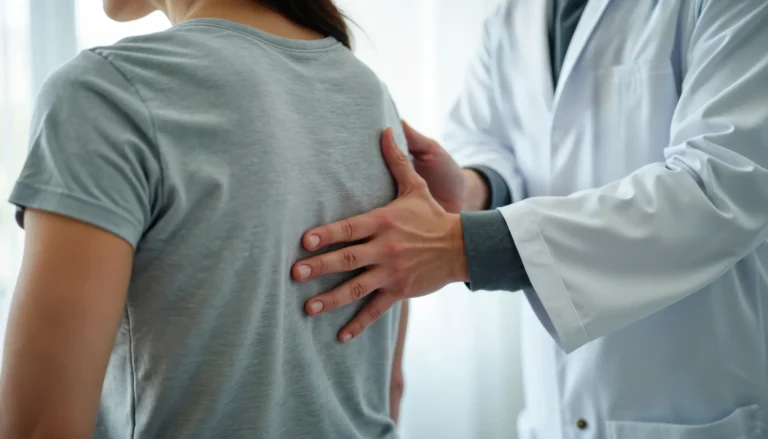
Starting physical therapy before your scheduled surgery might seem counterintuitive, but pre-surgical shoulder PT can significantly improve your post-operative outcomes. This approach, called prehabilitation, prepares your shoulder for the demands of surgery and recovery.
You can begin physical therapy without a doctor’s referral thanks to Direct Access laws in North Carolina. This means you can see a physical therapist at Bull City PT immediately after your diagnosis, even while waiting for your surgical date.
What Are the Benefits of Pre-Surgical PT for Labral Tears?
Pre-surgical physical therapy focuses on optimizing the muscles and structures around your shoulder that aren’t injured. Here’s what you gain:
Improved shoulder mechanics before surgery: Your physical therapist works on scapular stabilization, rotator cuff strengthening (where possible), and correcting movement patterns that may have contributed to your injury. Better pre-surgical function translates to better post-surgical outcomes.
Reduced pain and inflammation: Manual therapy and targeted exercises decrease inflammation and manage pain leading up to your procedure.
Faster recovery post-operatively: Research shows that structured prehabilitation programs can significantly improve postoperative outcomes after arthroscopic labral repair. Your body already knows the exercises, and your muscles maintain better baseline strength.
Mental preparation: Learning what to expect reduces anxiety. You’ll already have a relationship with your therapist and understand the rehabilitation process.
At Bull City PT, pre-surgical programs include pain management strategies, maintaining shoulder range of motion in safe directions, and preparing surrounding muscle groups to support your shoulder during recovery.
Can Physical Therapy Help You Avoid Shoulder Labral Surgery?
For some patients, yes. Conservative treatment through physical therapy can successfully manage certain labral tears, particularly in people whose primary symptom is pain rather than instability. Studies show that non-operative management of labral tears can achieve favorable outcomes for selected patients.
Your candidacy for avoiding surgery depends on several factors. If your shoulder feels unstable, frequently “pops out,” or you’ve experienced multiple dislocations, surgery is likely necessary. SLAP tears in overhead athletes also tend to require surgical repair for return to sport.
However, if you have a degenerative labral tear without instability, or a smaller tear with mechanical symptoms, comprehensive physical therapy may resolve your symptoms. This approach includes strengthening the rotator cuff, improving scapular control, and addressing biomechanical issues.
Bull City PT’s Direct Access allows you to start this conservative trial immediately. If your symptoms don’t improve after 6-8 weeks of dedicated physical therapy, you and your orthopedic surgeon can then discuss surgical options.
What Does Physical Therapy After Labral Repair Look Like?
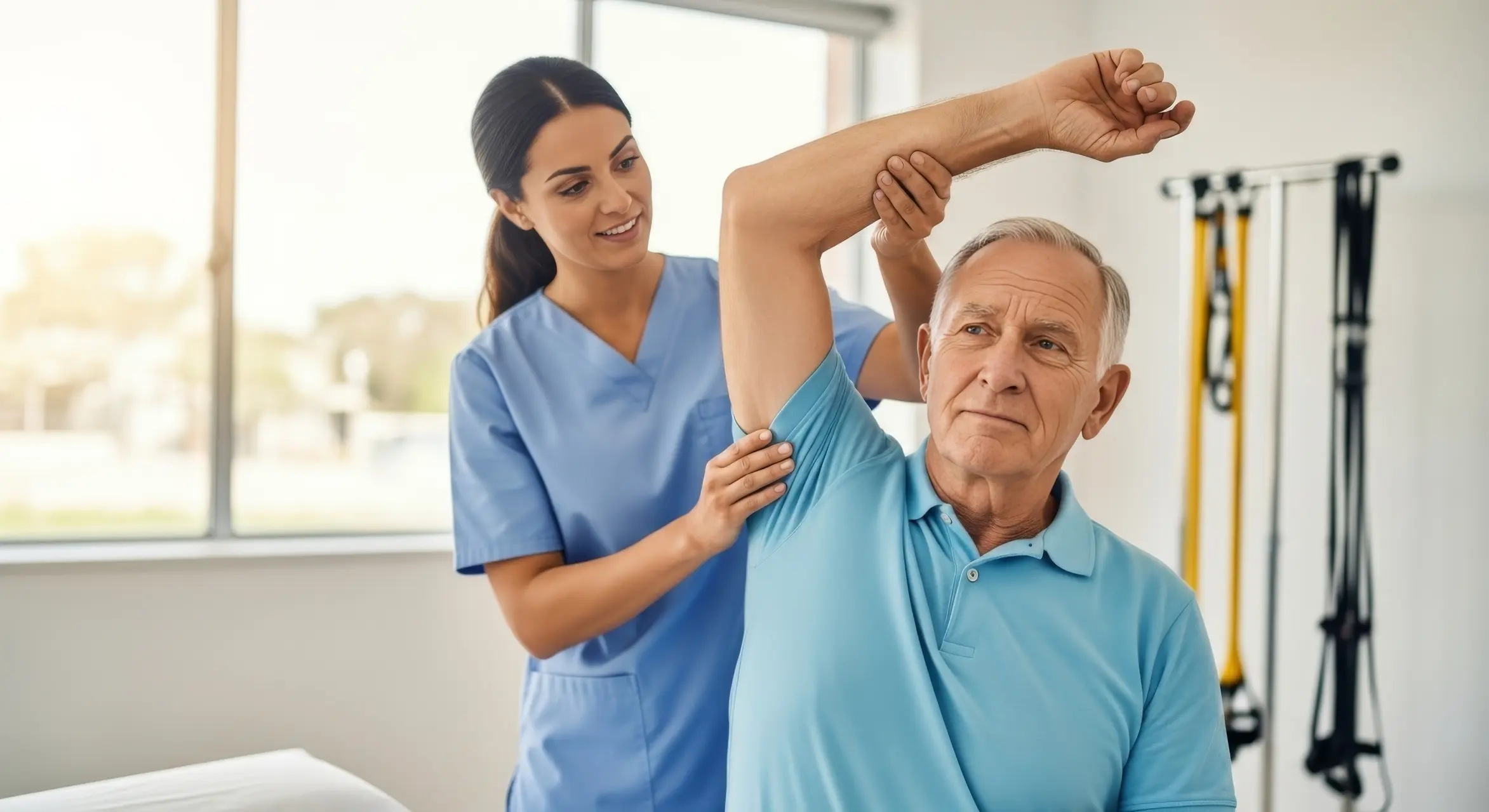
Post-operative shoulder therapy follows a structured, phase-based approach that protects your surgical repair while progressively restoring function. Understanding these phases helps you set realistic expectations.
After surgery, physical therapy begins 3-4 days post-op with gentle exercises. Your progression depends on your tissue healing, pain levels, and individual goals.
What Happens in the First 6 Weeks After Surgery?
The first six weeks protect your labral repair while it heals to the bone. You’ll wear a sling continuously during this phase, including while sleeping.
Weeks 0-2: Your physical therapist focuses on pain and swelling management using ice, gentle pendulum exercises, and maintaining motion in your elbow, wrist, and hand. These simple movements keep blood flowing and prevent stiffness. You’ll also practice proper sling positioning and learn how to perform daily tasks one-handed.
Weeks 2-4: Passive range of motion exercises begin. Your therapist moves your arm for you while your muscles stay relaxed. This prevents shoulder stiffness without placing stress on the healing labrum. You might work on gentle table slides and pulley exercises within protected ranges.
Weeks 4-6: You begin performing active-assisted range of motion exercises where you help move your arm using your other arm or a stick. Scapular setting exercises and gentle isometric contractions of surrounding muscles start during this window.
This phase requires patience. Your shoulder may feel stiff and weak, but forcing movement too early risks re-tearing the labrum. Bull City PT’s therapists provide one-on-one guidance to help you understand what sensations are normal versus concerning.
When Can You Start Strengthening Exercises After Labral Repair?
Active strengthening begins around week 6 post-surgery once you’ve been cleared to remove the sling.
Weeks 6-12: This phase focuses on rebuilding your shoulder’s active range of motion and beginning light strengthening. Your therapist introduces resistance band exercises for external and internal rotation, scapular strengthening, and progressive elevation exercises. The emphasis is on motor control and movement quality rather than heavy loads.
Months 3-4: Sport-specific training and more intense strengthening begin around three months. This includes weighted exercises, functional movement patterns related to your activities, and sport-specific drills if you’re an athlete. Your physical therapist assesses your movement patterns and addresses any compensations that developed during your injury or recovery.
Months 4-6: Advanced strengthening, plyometric exercises, and return-to-sport training dominate this phase. For overhead athletes, throwing programs or swimming progressions begin under careful supervision. Your therapist tests your shoulder strength, endurance, and movement quality to ensure readiness for high-demand activities.
Bull City PT’s arthroscopic labral repair recovery programs are individualized based on your surgical repair type, tissue quality, and personal goals. A weightlifter’s program looks different from a tennis player’s progression.
How Long Does Recovery Take After Shoulder Labral Repair?
Full recovery after shoulder labrum surgery takes 4-6 months for most patients, with athletes often requiring 6-12 months depending on their sport’s demands. This timeline varies based on your tear’s size and location, the surgical technique used, and your adherence to rehabilitation.
Your initial bone healing occurs during the first 6-8 weeks. During this critical window, the labrum reattaches to your shoulder socket. Rushing this phase is the most common cause of repair failure.
Months 2-4 involve rebuilding your shoulder’s strength and range of motion. Most patients regain enough function during this phase to perform daily activities comfortably, sleep on their surgical shoulder, and return to light work duties.
Months 4-6 bring more significant improvements. You’ll notice your shoulder feels more stable, stronger, and capable of handling increased demands. However, your labrum continues remodeling and strengthening for up to a year after surgery.
Several factors influence your specific timeline. Larger tears or complex repairs involving multiple anchors require longer protection phases. Patients who complete pre-surgical PT tend to progress faster than those who enter surgery with weaker, deconditioned shoulders.
When Can You Return to Sports After Labral Repair Surgery?
Return to sports after SLAP tear physical therapy or Bankart repair rehabilitation depends entirely on your sport’s shoulder demands and your surgeon’s clearance. Non-contact, non-overhead athletes may return around 4-6 months, while overhead throwing athletes need 6-12 months minimum.
Baseball pitchers, softball players, tennis players, and swimmers face the longest timelines because their sports place extreme stress on the repaired labrum. Your physical therapist will guide you through progressive throwing or overhead programs that gradually rebuild your shoulder’s tolerance to sport-specific forces.
Contact sport athletes, like football or hockey players, must wait until their shoulder demonstrates full strength, stability, and confidence in tackling or collision situations.
Recreational gym-goers can typically return to modified upper body workouts around 3-4 months, with full lifting clearance by 5-6 months. Your progression depends on demonstrating proper movement mechanics and adequate strength ratios between muscle groups.
Bull City PT works with active adults returning to all activity levels. Whether you’re training for a marathon, getting back to weekend softball, or simply want to lift your kids without pain, your rehabilitation program aligns with your specific goals and timeline.
Why Choose Bull City PT for Your Shoulder Labral Repair Recovery?
Recovering from shoulder labral repair surgery requires expert guidance, personalized attention, and a physical therapy team that understands the demands of active lifestyles. Bull City PT specializes in helping athletes and active adults navigate the complex journey from pre-surgical preparation through full return to sport and activity.
Our Direct Access means you can start your post-operative shoulder therapy immediately after diagnosis, maximizing your pre-surgical conditioning and setting the foundation for faster recovery. You don’t need to wait for additional referrals or approvals.
Each patient receives individualized treatment plans tailored to their specific labral tear type, surgical repair, and personal goals. Your physical therapist provides one-on-one attention during every session, adjusting your program based on your healing progress and response to treatment. We understand that sports physical therapy shoulder protocols differ dramatically between a recreational weightlifter and a competitive tennis player.
Our team stays current with evidence-based techniques for shoulder instability treatment and collaborates closely with orthopedic surgeons throughout the Triangle area. This integrated approach ensures your rehabilitation aligns with your surgeon’s protocols while incorporating the latest advances in rotator cuff and labrum repair recovery.
With locations in Durham, Charlotte, and Brier Creek, Bull City PT makes it convenient to attend the frequent therapy sessions required during your recovery’s early phases. Ready to take control of your shoulder labral tear recovery? Contact Bull City PT today to schedule your evaluation and start your personalized rehabilitation program.