



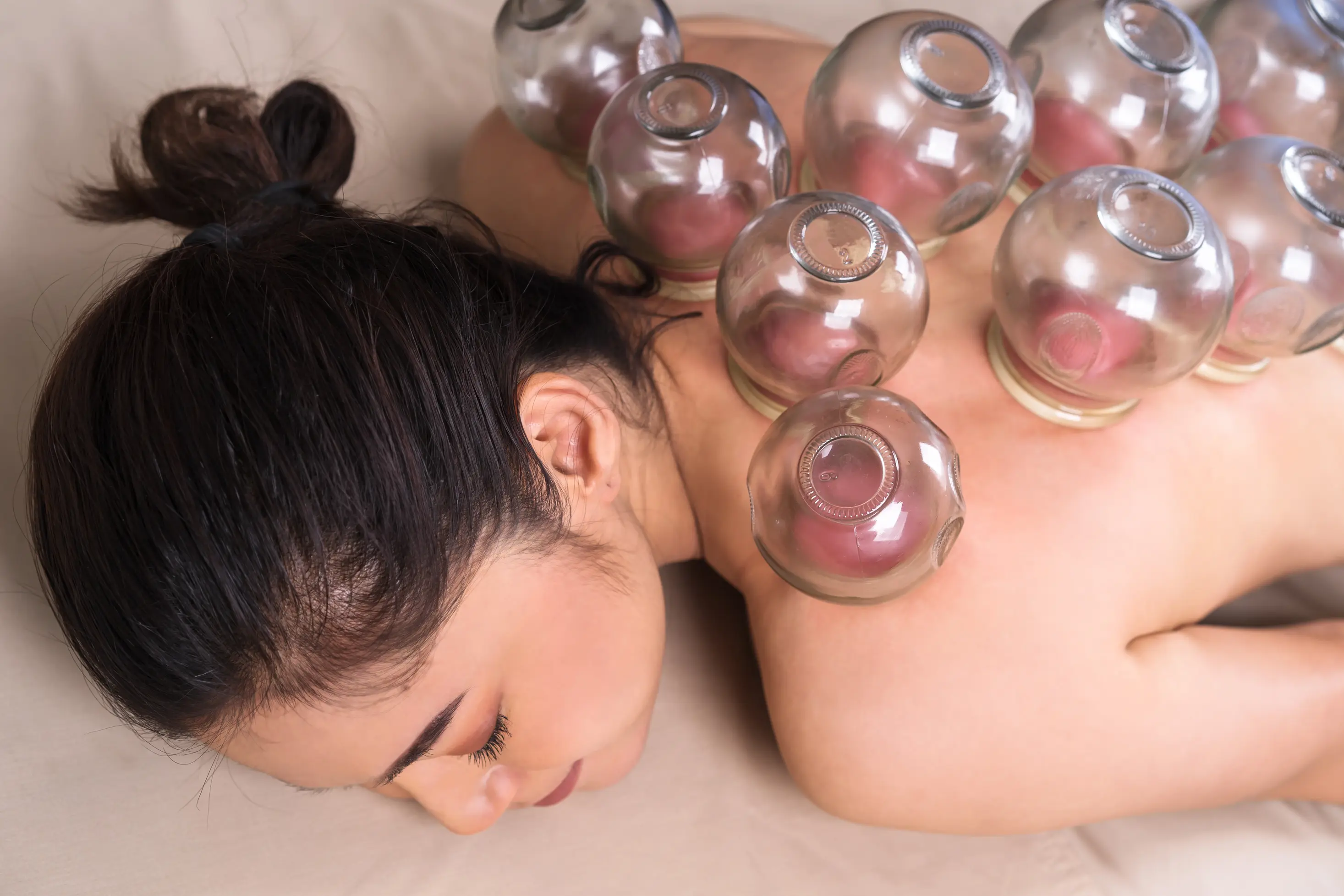
Those circular marks you’ve seen on an athlete’s back look intense. Before that visual talks you out of trying something that could genuinely help you get back to the run, the gym, or the weekend activities you’ve been missing, here’s the straight answer: cupping therapy as physical therapy is not what most people expect. For the vast majority of patients, it doesn’t hurt. It feels different. Let’s talk about what that actually means.
What Does Cupping Therapy Actually Feel Like?
Cupping creates suction on the skin using silicone cups, and the sensation is best described as a gentle pulling or skin tightness. If you’re curious to experience cupping therapy, think of it like someone pressing a vacuum against your back — not sharp, not burning, just a noticeable lift. Some people feel mild soreness afterward, similar to how muscles feel after a solid workout, and it fades within a day or two.
One thing worth knowing upfront: dry cupping physical therapy is what’s used in a clinical PT setting. This is different from wet cupping, which involves breaking the skin and comes from traditional medicine practices. At Bull City PT, we’re working with your soft tissue through suction only.
Is the Pulling Sensation the Same as Pain?
No, and this distinction matters. Most patients describe cupping as pressure or tension, not pain. Is cupping therapy painful for some people? It can cause mild discomfort, especially over a tight or restricted area, but if something feels sharp or severe, that’s your cue to tell your therapist. They’ll dial back the intensity. You’re always in control of the experience.
Why Does Cupping Leave Those Marks on Your Skin?
The suction pulls blood toward the surface, drawing increased blood flow into tissue that may have been restricted or underperforming. Blood vessels near the skin respond to that pull, which is what creates the visible marks. It can look dramatic, but it’s a normal physiological response, not damage.
Are Cupping Marks the Same as Bruises?
This is the biggest misconception around cupping marks and bruising. They’re not the same thing. A bruise results from trauma that damages tissue underneath the skin. Cupping marks come from blood being drawn to the surface without any tissue damage. They fade within three to seven days, and darker marks in certain spots usually just reflect where more restriction was present.
What Can Cupping Therapy Help Treat?
The cupping therapy benefits most relevant to active adults center on muscle tension, tight muscles, chronic pain, and scar tissue restriction. Cupping therapy for muscle pain is one of its most common applications in physical therapy, and cupping therapy back pain and cupping therapy neck pain are two of the conditions we see most often, along with shoulder pain and general musculoskeletal complaints. Cupping can also help address restricted connective tissue around an old injury that never quite healed the way it should have — the kind of nagging limitation that doesn’t stop you completely but quietly holds back your performance. If you’re trying to get back to lifting, running, or keeping up with your kids on a Saturday, cupping can be a meaningful part of getting you there faster.
How Is Cupping Different From a Deep Tissue Massage?
Massage applies compression. It pushes down into the muscle. Cupping works through myofascial decompression, which lifts the tissue upward instead. That decompressive effect creates space in the fascia and connective tissue that compression simply can’t reach the same way. For conditions involving layered tissue restriction, that distinction is the whole point.
What Should I Expect During a Cupping Session at Bull City PT?
A cupping session here isn’t a standalone appointment. It’s one tool woven into a broader, individualized treatment plan. Your therapist will assess your specific issue, position the silicone cups, and may glide them along the tissue rather than leaving them stationary. A typical application lasts just a few minutes per area. You might move through cupping and then transition directly into exercise or manual work in the same visit, because that’s how it’s designed to be used. What to expect cupping therapy sessions to feel like: targeted, manageable, and purposeful — not mysterious or uncomfortable.
Is Cupping Safe for Everyone?
Most people are great candidates, but flag these things with your PT beforehand: active skin infections or open wounds over the treatment area, bleeding disorders or blood disorders, and certain skin conditions that affect tissue integrity. Cupping therapy side effects are generally mild and temporary. They may include some skin discoloration and minor post-session tenderness. Serious adverse reactions are uncommon when performed by a trained clinician.Ready to see if cupping belongs in your recovery plan? Bull City PT is available at our Durham, Brier Creek, and Charlotte locations, and with Direct Access, you don’t need a referral or prescription to get started. We’ve been named Best Physical Therapy Clinic in the Triangle multiple times, and we’d love to help you get back to doing what you love. Schedule an appointment to get started!